To learn more about our conference sponsor Office Puzzle, please watch this video.
Click here to learn more about Office Puzzle
TxABA appreciates the support of our sponsors, whose contributions help make our programs and events possible. Sponsor recognition, including logos and website links, does not imply endorsement of any organization, product, service, or viewpoint by TxABA.

Date: September 12, 2026
Location: El Paso Community College Admin Building A Auditorium (Check-in/Registration)
Location: 9050 Viscount Blvd, El Paso, TX 79925
Sponsors & Exhibitors OPEN!
Click here for sponsor and exhibitor information
Click here for sponsor and exhibitor application
Call for posters!
TxABA is busy finalizing plans for our second in-person regional conference in El Paso, TX. We are excited to announce that lunch will be included with registration thanks to our coffee & lunch sponsor.
Please park in the event parking at the El Paso Community College Administrative Buildings.
Please go to the Auditorium in Administrative Building A, this will be the main conference room with the RBT/Student Track branching off to the Board Room in the afternoon.
The keynote session will be designed for BCBAs and RBTs to learn together & continue the conversation after the conference.
In the afternoon, there will be 2 tracks: one for BCBAs to earn CEUs and one for RBTs to earn PDUs.
The conference will conclude with a poster session to foster connections and conversations.
Check your email is up to date, your membership is current, and you follow us on LinkedIn, Facebook, or Instagram so you don't miss announcements!
In the El Paso area? Join the El Paso ABA Special Interest Group (EP-ABA SIG) to start connecting with your local behavior analytic community. Behavior analysts and RBTs from the surrounding areas are welcome! Email EP-ABA@txaba.org for more information about joining.
Click here to learn more about Empower Behavioral Health
TxABA appreciates the support of our sponsors, whose contributions help make our programs and events possible. Sponsor recognition, including logos and website links, does not imply endorsement of any organization, product, service, or viewpoint by TxABA.
Select “Pay with Card” at checkout.
Make checks payable to: Texas Association for Behavior Analysis
Mail to: TxABA, PO Box 841, Colleyville, TX 76034-0841
Please note that the scheduled times are approximate and may be slightly adjusted as we get closer to the event. Schedule Updated 5/20/2026
| September 12, 2026 | |
| 8:00 am - 8:45 am | Exhibitor and TxABA Set-Up in Auditorium in EPCC Admin Building A |
| 8:45 am - 9:30 am | Registration, Badge Pick-Up, and Merchandise Table Open in Auditorium |
| Exhibit Tables & Coffee in Auditorium | |
| 9:30 am - 10:30 am | Welcome by El Paso ABA SIG Officers in Auditorium |
| 10:45 am - 12:15 pm | Keynote: Portia James in Auditorium |
| 12:15 pm - 1:45 pm | Lunch Included with Registration in Auditorium |
| Exhibit Tables in Auditorium | |
| 2:00 pm - 5:30 pm | BCBA Track with BACB CEUs available in Auditorium |
| RBT/Student Track with BACB PDUs available in Board Room | |
| 5:45 pm - 6:45 pm | Poster Session in Auditorium |
| Exhibit Tables in Auditorium | |
| 6:45 pm- 7:30 pm | Exhibitor and TxABA Clean-Up |
A community of students and professionals dedicated to advancing behavior analysis in the Sun City. We provide networking opportunities, stay up to date on industry topics, and promote awareness of behavior analysis within the local community. If you are interested in joining, please email ep-aba@txaba.org.


El Paso is not only a border community, but also home to a large military population. Our region is richly diverse, deeply connected to Mexican culture, and shaped by families whose experiences span nations, traditions, and service. This unique makeup calls for equally unique care. This conference, themed after the spirit of Dia de los Muertos, a tradition that is centered on remembrance, connection, and honor to those who helped to shape our lives, will highlight the lasting impact that our choices as practitioners have on those we serve. Through personal stories, community impact videos featuring local families, and audience reflection activities, attendees will explore how culturally responsive ABA can strengthen the relationships we have with our consumers and improve client outcomes. This presentation will also examine ethical considerations related to cultural humility, collaboration with stakeholders, and respecting the values of those we work with. Participants will leave with practical strategies for incorporating culturally responsive practices into their work while continuing to maintain alignment with the BACB Ethics Code.
At the end of this presentation, attendees will be able to:

Portia James is a sought-after board-certified and licensed Behavior Analyst and Organizational Behavior Management Specialist. With a career that spans nearly two decades, Portia doesn’t just break down barriers; she builds bridges for Black business owners and advocates for inclusive and psychologically safe workplaces. In 2023, she published "Radical OBM: Organizational Behavior Management for Regular Folks" with a clear and bold mission to “build workplaces that people don’t have to recover from.” As founder and CEO of Behavior Genius® and co-founder of Genius Operations™, she helps launch and scale businesses that thrive. With her expertise, Portia has touched the lives of thousands of families impacted by autism and staff impacted by systemic racism and workplace trauma. Outside of work, Portia is a wife, a mother of three, and a collector of experiences in the form of concert tickets, sky miles, and recipe books.
Supervisors in ABA face unique pressures that can lead to compassion fatigue and burnout when left unaddressed. This keynote explores how behavioral systems design can create sustainable supervision practices that protect both supervisor wellbeing and clinical quality. Attendees will examine the environmental contingencies that contribute to burnout, identify early warning signs in themselves and their teams, and learn practical strategies for building resilience into their supervision workflows. Through real-world case examples and interactive discussion, participants will leave with actionable tools to redesign their supervision systems for long-term sustainability.
At the end of this presentation, attendees will be able to:
Tatiana Francis is a Board-Certified Behavior Analyst and Licensed Professional Counselor dedicated to improving the lives of others. She holds a master’s degree in clinical Mental Health Counseling and a master’s degree in Special Education with an emphasis in behavior analysis. Her experience spans working with individuals across the lifespan with a wide range of diagnoses. Tatiana is known for her ability to assess individual needs, identify areas for growth, and develop practical, goal-oriented plans that support meaningful progress in their lives. In addition to her direct clinical work, she is passionate about promoting accurate, ethical, and inclusive perspectives on mental health, neurodiversity, and cultural diversity. She currently provides mental and behavioral health services through her company, LifeWorks Services, in El Paso, Texas. Tatiana also serves as an adjunct professor at the graduate level, offers supervision to aspiring behavior analysts, and counselor associates, as well as provides mentorship to new analysts and counselors. Her wife and two sons are her greatest source of support and motivation. It is with the best intentions that Tatiana moves to progress the mental and behavioral health fields.
Devon Perry is a Board Certified Behavior Analyst, Licensed Professional Counselor, and founder of Leaps and Bounds ABC. With nearly 20 years of experience, she has supported children, adults, families, and interdisciplinary teams across home, clinic, community, and telehealth settings. Devon believes that behavior change happens best when science, compassion, and a little creativity come together. Her work focuses on autism services, challenging behavior, caregiver coaching, mental health treatment, clinical supervision, and program development. Known for her practical and relationship-centered approach, she is passionate about helping individuals build meaningful skills while empowering caregivers and professionals to create lasting change. In addition to her private practice, Devon serves as a contract BCBA for agencies throughout Texas and Virginia, supporting adults with complex behavioral needs through assessment, consultation, staff training, and behavior support planning. Her professional interests include mentorship, culturally responsive care, and bridging the gap between ABA and mental health services.

Jalisa Wingfield, M.S., BCBA, LBA is a Board Certified and Licensed Behavior Analyst and the Founder of Radiant Minds Training Academy, a professional development and training organization dedicated to empowering behavior technicians, aspiring behavior analysts, practicing clinicians, and families through education, collaboration, and practical application. Jalisa holds a Master’s degree in Applied Behavior Analysis with a specialization in Autism Spectrum Disorders and brings nearly a decade of experience working with children and individuals with diverse support needs. Before becoming a BCBA, she spent three years working as a Registered Behavior Technician (RBT), an experience that continues to shape her approach to leadership, supervision, and professional development. As a clinician, Jalisa is passionate about providing compassionate, evidence-based, and individualized care while building meaningful partnerships with families and interdisciplinary teams. She believes effective behavior-analytic services extend beyond implementing treatment plans—they require collaboration, strong clinical judgment, ongoing learning, and professionals who feel confident and supported in their roles. Her experiences as both an RBT and BCBA inspired the creation of Radiant Minds Training Academy, where she works to bridge the gap between learning the science of behavior and confidently applying it in real-world settings. Through fieldwork supervision, professional training, exam preparation, family guidance, and educational resources, Jalisa is committed to helping the next generation of behavior-analytic professionals develop the knowledge, confidence, and skills necessary to make meaningful contributions to the field. At the heart of her work is a commitment to integrity, growth, inclusion, collaboration, and creating spaces where both the individuals receiving services and the professionals supporting them have the opportunity to thrive.
In applied behavior analysis, technicians are often responsible for translating written programming into meaningful teaching opportunities. While the initial 40-hour training and ongoing supervision are a requirement for continued credentialing, there may be times where technicians need to be able to read and interpret client programming between supervision sessions. Registered Behavior Technicians are taught what a task analysis is during their training, however, that does not always facilitate knowing how to interpret, evaluate, or implement one effectively.
“TAs: From Paper to Practice” is an interactive, hands-on training designed to strengthen Registered Behavior Technicians’ ability to read, interpret, and implement task analyses with procedural fidelity. Participants will explore the purpose and components of task analyses, practice identifying effective versus ineffective steps, and learn how to write task analyses using observable and measurable language.
Rather than relying solely on lecture and discussion, participants will move from paper to practice through collaborative activities and simulated implementation exercises. Teams will develop task analyses for functional skills such as diaper changing and sandwich preparation. Following development, teams will exchange task analyses and attempt to implement the procedures exactly as written, allowing participants to experience firsthand how unclear, missing, or overly broad steps can affect implementation. Participants will then identify barriers, provide feedback, and revise their task analyses to improve clarity and procedural fidelity.
By the end of the training, participants will have practical experience reading, writing, evaluating, and implementing task analyses and will be better prepared to translate written ABA programming into consistent, effective teaching practices for the clients they serve
At the end of this presentation, attendees will be able to:
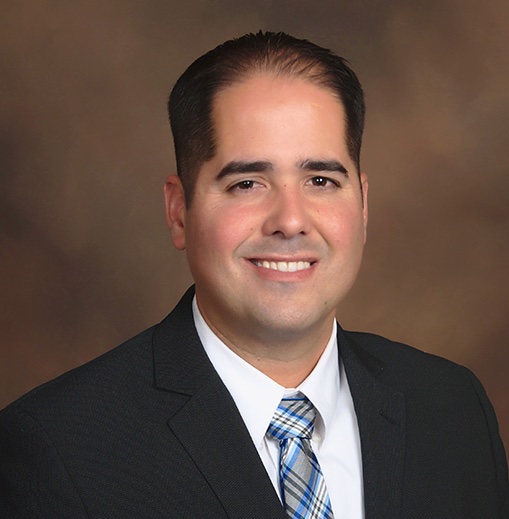
Hector Ruiz, M.S., BCBA, LBA (TX), completed his undergraduate studies at the University of Texas at El Paso (UTEP) in 2002 and obtained a Master’s of Science in Applied Behavior Analysis at Northeastern University in 2006. Over the past 20 years, he has overseen early intervention and adult programs at residential, educational, in-home, and center-based settings. His interests include disseminating applied behavior analysis to underserved communities and applying generative verbal behavior teaching procedures. Hector completed the Spanish translation of the VB-MAPP app with Dr. Mark Sundberg and collaborated with ABA España in the translation of several chapters of the second (2007) and third edition (2020) of “Applied Behavior Analysis” by Cooper, Heron, and Heward. Most recently, he founded ABA Comprehensive Services in 2020, a small practice in El Paso, Texas, providing in-home and community-based services.
This two hour hands-on workshop introduces Registered Behavior Technicians (RBTs) to the principles and practical procedures for promoting generative verbal behavior with learners. By highlighting teaching techniques that RBTs already use to teach verbal behavior regularly, such as shaping, fading, and differential reinforcement, participants will gain a foundation for understanding and applying generative language approaches. A review of generative learning concepts and strategies, which include bidirectional naming (Horne & Lowe, 1996; Jennings & Miguel, 2016), instructional feedback (Frampton & Shillingsburg, 2020; Gavidia et al., 2022), and autoclitic frame training (Espinosa, 2021; Espinosa et al., 2021), will be accompanied by hands-on practice.
At the end of this presentation, attendees will be able to:

Dr. Camille “Cammie” Williams (she/her) is a metro Detroit native and Doctor of Behavioral Health with an emphasis in behavioral health management from Arizona State University. She earned her bachelor’s degrees in Psychology and Gender & Women’s Studies from Western Michigan University and her master’s in Counseling with a focus in Applied Behavior Analysis from Nova Southeastern University. She is also a Board Certified Sexologist. Cammie’s work sits at the intersection of science, systems, and culture, with a focus on using implementation science to improve organizational outcomes while honoring clinical realities. Her scope includes autism and developmental disabilities, school-based services, sexual behavior analysis, organizational behavior management, behavioral marketing, and health and wellness. As a pleasure-based Behavioral Scientist, her work centers the uplift, protection, and freedom of Black people—particularly Black femmes, mascs, and trans communities. Through her framework, Becoming Unfckwithable, she integrates behavior analysis, mindfulness, and Black positive psychology to support liberation through pleasure. She is the host of Love, Sex, and Applied Behavior Analysis, co-founder of Behavior Analysts in Military Families, and Vice President of Black Applied Behavior Analysts (BABA). Cammie is also childhood ovarian cancer survivor and current patient advocate, she contributes to research review to ensure Black women and trans women are prioritized in care.
Applied behavior analysis has long relied on reinforcement to shape client behavior, yet far less attention has been given to how reinforcement systems influence clinician performance and organizational outcomes. This project evaluates the impact of financial incentive design on BCBA and BCaBA behavior within Tricare-funded service delivery. Using a 12-week quality improvement framework, variable ratiovariable amount incentive schedules were compared to traditional fixed models to assess effects on billable hours, documentation timeliness, and overall revenue generation.
Participants were required to meet clearly defined performance targets, including maintaining a minimum of 20 billable hours per week, completing non-billable supervision, and submitting session documentation within 24 hours. Outcomes were measured using revenue transaction reports, productivity metrics, and timestamped documentation data.
Findings suggest that variable reinforcement schedules produced meaningful increases in clinician productivity and revenue, while also highlighting important considerations related to feasibility, perceived fairness, and leadership implementation burden. This project reframes incentive design as a clinical and operational intervention, demonstrating how behavior analytic principles can be applied at the systems level to drive sustainable organizational performance. Implications for payer strategy, workforce retention, and large-scale implementation will be discussed.
At the end of this presentation, attendees will be able to:

Dr. Amber N. Vega is an El Paso native and the CEO and Founder of Better Together Behavioral Health, an ABA therapy practice dedicated to providing exceptional, high-quality services to children diagnosed with Autism Spectrum Disorder. Driven by a deep commitment to her hometown, Dr. Vega built BTBH to ensure that families in the El Paso community have access to the clinical expertise and individualized care their children deserve.
Dr. Vega brings extensive experience across clinic, home, school, community, and telehealth settings, having served clients and families across El Paso, San Antonio, Dallas, Nashville, and California. She is known for developing clinical programs and efficient systems that raise the standard of care and support strong outcomes for the individuals she serves.
In 2024, Dr. Vega completed her PhD in Applied Behavior Analysis from Capella University, where her doctoral research examined the use of matrix training to advance intraverbal responding in children with ASD. She holds Board Certification at the Doctoral level (BCBA-D) and is a Licensed Behavior Analyst in Texas. Better Together Behavioral Health is also a BACB Authorized Continuing Education Provider, reflecting the organization's commitment to advancing the field beyond direct services. Continuing to grow her impact in the El Paso community, Dr. Vega is currently breaking ground on a second BTBH clinic location in the city.
Children with Autism Spectrum Disorder (ASD) often exhibit persistent deficits in social communication and interaction, along with restrictive and repetitive patterns of behavior. These characteristics can significantly hinder their ability to navigate social interactions and succeed in academic settings. This study explored the need for interventions that support flexible language and generalization by applying matrix training with a Lag schedule of reinforcement to teach varied intraverbal responses to children with ASD. The research examined whether matrix training facilitates generalization across untrained targets and spontaneous varied responses during peer conversations. A single-subject concurrent multiple probe design was used with three children with ASD, aged 9 to 10 years, selected based on communication deficits. Data collection included baseline assessments, training sessions, generativity probes, generalization, and pre- and postintervention naturalistic language observations. The findings displayed significant progress in varied intraverbal responses, which transferred to untrained targets. Participants also displayed increased social communication skills, such as asking questions and sharing relevant information, along with reductions in restricted speech and disruptive behaviors. Results suggest that matrix training is a valuable approach for improving communication skills in children with ASD, with important implications for refining evidencebased educational and therapeutic practices to support meaningful language development and social participation.
At the end of this presentation, attendees will be able to:
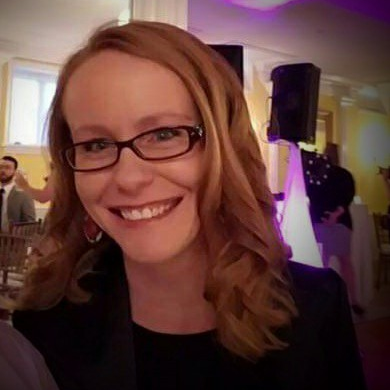
Dr. Jennifer N. Fritz is a Professor of Behavior Analysis at the University of Houston-Clear Lake where she teaches in the master's program, coordinates the undergraduate coursework and minor in behavior analysis, serves as Director for multiple outpatient clinical programs, and conducts research primarily in the area of challenging (or interfering) behavior. She is an Associate Editor for the Journal of Applied Behavior Analysis, former President of TxABA, former and founding President of the TxABA Severe Behavior SIG, and has received over $4.8 million in funding for her work through grants and contracts.
Children with autism spectrum disorder and other neurodevelopmental disorders who engage in challenging (or interfering) behavior often require intensive, function-based intervention. Traditional service delivery models, however, may be limited by barriers related to access, feasibility, caregiver burden, and safety. In response to these challenges, service models emphasizing intensive outpatient care and parent-directed treatment have emerged as promising approaches for increasing access to evidence-based behavior analytic services while maintaining treatment integrity and clinical effectiveness. This presentation will focus on lessons learned from the development, evaluation, and implementation of outpatient service delivery models that emphasize caregiver-directed, function-based intervention for children who exhibit challenging behavior.
Drawing from clinical outcome data, program evaluation efforts, and applied research conducted within outpatient clinical programs, the presentation will examine how functional analysis and function-based treatment can be implemented ethically while addressing common challenges. Specific emphasis will be placed on strategies for involving caregivers throughout the clinical process to maximize treatment gains most efficiently, as well as balancing intervention intensity with family capacity. Practical considerations related to multidisciplinary collaboration, staff supervision, and system-level constraints will be discussed, with the goal of providing actionable guidance for clinicians, supervisors, and program administrators who wish to build a focused intervention program that meets the needs of the community.
At the end of this presentation, attendees will be able to:
2027 Annual Conference April 22-25, 2027 Royal Sonesta, Houston, TX
Speaker Series Webinar September 2026 — Heather Forbes, PhD, CCC-SLP, BCBA-D
Speaker Series Webinar Fall 2026 — Janani Vaidya, MS, BCBA, LAB (IL), IBA